


Enhancing Event Security with Mobile X Ray Scanning
- Omar Al-Kofahi
- Feb 16
- 5 min read

Updated: Feb 17

Large-scale events such as concerts, sports tournaments, political gatherings, exhibitions, and cultural festivals bring together thousands of people, vehicles, and temporary infrastructure in a short time frame. Seethru AI operates in this complex security environment by addressing a critical challenge faced by event organizers and security teams: how to inspect vehicles efficiently without disrupting traffic flow or compromising safety.
In modern event planning, vehicle access points often represent the most vulnerable part of the security perimeter. While foot traffic is typically screened in detail, vehicles delivering equipment, catering, or technical infrastructure can become overlooked risks. The growing adoption of vehicle x ray scanners reflects a broader shift toward technology-driven, standardized vehicle screening that reduces reliance on subjective visual checks.
Mobile scanning solutions help security teams maintain consistent inspection quality while adapting to dynamic event layouts, temporary access roads, and fluctuating traffic volumes.
Understanding the Event Security Landscape
Why Vehicle Screening Matters at Events
Vehicles entering event perimeters can carry equipment, supplies, and personnel, but they can also pose security risks if not properly screened. Threats may include concealed weapons, explosives, unauthorized cargo, or modified compartments designed to bypass visual inspection.
For large or high-profile events, vehicle screening plays a critical role in:
Preventing unauthorized access to restricted zones
Detecting concealed or tampered vehicle components
Supporting layered security strategies
Reducing reliance on time-intensive manual searches
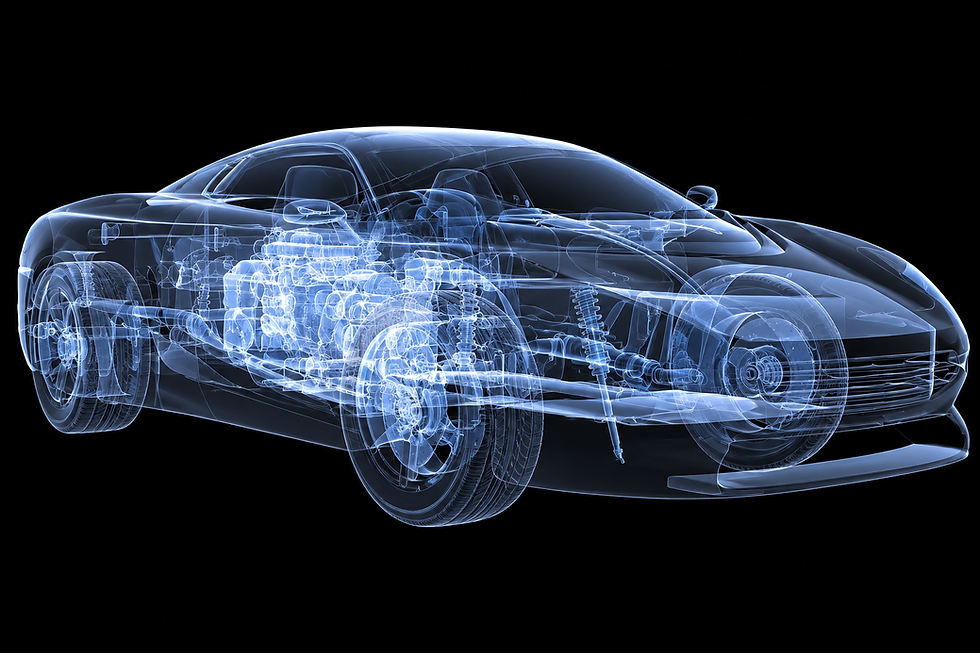
The use of a vehicle x ray inspection system allows security teams to inspect internal vehicle structures that would otherwise remain inaccessible during live operations.
Limitations of Conventional Vehicle Checks
Manual inspections depend heavily on visual access, time availability, and operator experience. Guards often have only seconds to evaluate a vehicle, especially during peak arrival windows. In many cases, dismantling panels or unloading cargo is impractical or disruptive.
Common limitations of traditional checks include:
Inability to see behind panels or inside sealed compartments
High variability between individual inspectors
Increased congestion at access points
Greater risk of human error under pressure
These limitations highlight the value of imaging-based inspection methods in event security planning.
What Is Mobile X Ray Vehicle Scanning?
Core Concept of Mobile Scanning Systems
A mobile x ray vehicle scanning system is a self-contained inspection solution mounted on a vehicle or trailer. Unlike fixed inspection portals, mobile systems are designed for temporary deployment and can be relocated as event layouts or traffic flows change.
Key characteristics of mobile systems include:
Rapid setup and dismantling
Minimal infrastructure requirements
Suitability for temporary venues
Flexible positioning near access points
These features make mobile scanning particularly relevant for events that operate on tight schedules and limited space.
Role of Backscatter X-Ray Technology
Most modern event-focused scanners rely on backscatter x ray vehicle imaging. This technique measures radiation that scatters back from materials within the vehicle, making it effective for detecting organic substances and hidden voids.
Backscatter technology is especially useful for identifying:
Concealed organic materials
Modified compartments
Non-metallic threats
Structural inconsistencies
By visualizing material density differences, operators gain contextual information that supports faster and more accurate decision-making.

How Mobile X-Ray Scanning Works at Event Sites
Step-by-Step Vehicle Inspection Process
Mobile scanning follows a structured yet adaptable inspection workflow designed to minimize disruption while maintaining security effectiveness:
Vehicles approach a designated screening lane
Traffic is guided by security personnel or barriers
The vehicle passes through or stops beside the scanner
X-ray beams penetrate vehicle panels and cargo areas
Images are generated and reviewed in real time
Vehicles are cleared or referred for secondary checks
This process enables consistent inspection without requiring physical access to vehicle interiors.
Deployment Flexibility for Temporary Venues
Temporary venues often evolve during event setup, live operation, and breakdown phases. Mobile scanning systems can be repositioned to reflect these changes, ensuring continued coverage where risk is highest.
A mobile x ray vehicle scanning system can be deployed at:
Service and logistics entrances
VIP access routes
Back-of-house areas
Temporary perimeter checkpoints
This flexibility supports adaptive security planning across multi-day events.
Benefits of Mobile X-Ray Scanning for Event Security
Faster Throughput Without Compromising Safety
High traffic volume is common during event setup, peak arrival times, and emergency situations. Mobile scanning allows vehicles to be inspected quickly while maintaining consistent detection standards.
Key throughput advantages include:
Reduced vehicle wait times
Lower congestion at access points
Predictable inspection duration
Improved coordination with traffic control teams
By integrating vehicle x ray scanners, security teams balance efficiency with thorough inspection.
Non-Intrusive Inspection
Mobile X-ray scanning does not require unloading cargo or dismantling vehicle components. This reduces operational friction and supports smoother interactions with vendors, staff, and contractors.
Non-intrusive inspection helps:
Maintain event schedules
Reduce manual handling risks
Improve compliance cooperation
Preserve vehicle integrity
This approach is particularly valuable during high-pressure event timelines.
Improved Threat Detection
A vehicle x ray inspection system provides visibility into vehicle interiors, including areas that are difficult or impossible to access manually.
Enhanced detection capabilities include:
Viewing behind dashboards and door panels
Identifying false floors or altered compartments
Detecting irregular shapes and densities
Supporting informed secondary inspections
These insights significantly strengthen preventive security measures.
Common Event Scenarios Where Mobile X-Ray Scanning Is Used
Concerts and Music Festivals
Outdoor festivals often involve multiple access points, temporary fencing, and continuous vehicle movement. Mobile scanners support adaptable screening strategies as crowd dynamics change.
They are commonly used for:
Artist and production vehicles
Equipment deliveries
Temporary power and lighting trucks
Sporting Events : Stadiums and racetracks require controlled access for teams, officials, and broadcasters. Screening vehicles using backscatter x ray vehicle imaging enhances safety without disrupting tight operational schedules.
Political and Diplomatic Gatherings: High-profile events demand advanced vehicle screening to mitigate risks. Mobile systems provide coverage where permanent infrastructure is unavailable or unsuitable.
Trade Shows and Exhibitions: Temporary exhibition venues benefit from mobile scanning during setup and teardown, when vehicle access is frequent and security oversight is critical.
Safety and Compliance Considerations
Radiation Safety Standards
Modern mobile X-ray systems operate within internationally recognized safety limits. Shielding, controlled zones, and operational protocols ensure exposure remains minimal.
Safety considerations include:
Controlled scanning distances
Clear signage and barriers
Regulatory compliance monitoring
Operator Training and Procedures
Effective operation depends on trained personnel who understand image interpretation, safety procedures, and escalation protocols.
Training supports:
Consistent image analysis
Reduced false positives
Safe system handling
A mobile x ray vehicle scanning system is only as effective as the processes supporting its use.
Comparing Mobile and Fixed Vehicle Scanning Systems
Feature | Mobile X-Ray Scanning | Fixed X-Ray Scanning |
Deployment | Temporary and flexible | Permanent installation |
Event suitability | High | Limited |
Infrastructure needs | Minimal | Significant |
Relocation | Easy | Not possible |
Cost efficiency for events | Optimized | Less practical |
Mobile solutions align more effectively with short-term, dynamic event requirements.
Integrating Mobile X-Ray Scanning Into Event Security Planning
Early Planning and Site Assessment: Security teams should assess access points, vehicle types, and threat profiles early in the planning process to determine optimal scanner placement.
Coordination With Other Security Measures: X-ray scanning complements surveillance systems, access control, and physical barriers, contributing to a layered security approach.
Post-Event Review: Reviewing inspection data and operational performance helps improve future deployments and refine security protocols.
Future Trends in Event Vehicle Screening
Advancements in automation and image analysis are enhancing how vehicle x ray inspection systems support operators. AI-assisted detection and improved imaging clarity are becoming increasingly relevant for large-scale events.
Conclusion
Event security requires balancing protection, efficiency, and operational continuity. Mobile X-ray scanning enables effective vehicle inspection without the limitations of manual checks or permanent infrastructure. By leveraging vehicle x ray scanners and adaptable deployment models, security teams can address evolving risks across diverse event environments.
Organizations planning complex events can explore vehicle inspection strategies and operational considerations by connecting through the contact page.
Frequently Asked Questions
What types of vehicles can be scanned at events?
Most passenger vehicles, vans, trucks, and service vehicles can be inspected, depending on system specifications.
Is mobile X-ray scanning safe for people nearby?
Yes. Systems comply with radiation safety standards and operate within controlled exposure limits.
How fast is the inspection process?
Most scans take only a few seconds, supporting high vehicle throughput.
Can non-metallic threats be detected?
Yes. Backscatter x ray vehicle imaging is effective for identifying organic materials and concealed compartments.
When should mobile scanning be considered?
Mobile scanning is ideal for temporary venues, high-profile events, and locations without fixed infrastructure.




Comments