


Mobile Container Scanner Systems: Enhancing Port and Yard Inspection Efficiency

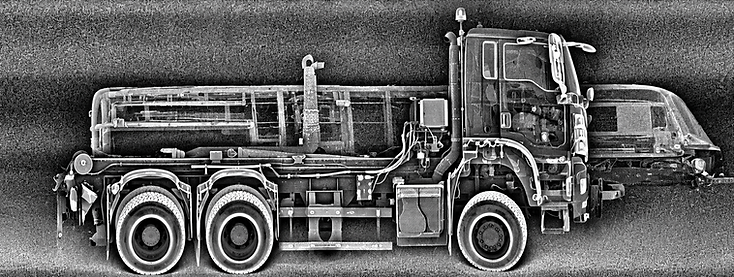
Ports, freight yards, and logistics facilities need inspection systems that can support growing cargo volumes without creating unnecessary delays. Traditional inspection infrastructure can be difficult to relocate, expand, or adapt when operational requirements change. A mobile container scanner provides a flexible approach by bringing advanced cargo inspection capabilities closer to where containers are processed.
Mobile scanning solutions can support port security scanning, yard-level cargo screening, and inspection workflows where fixed infrastructure may not provide sufficient flexibility. Their modular design can help operators adapt inspection capacity to changing traffic patterns, facility layouts, and security requirements.
For organizations evaluating modern cargo inspection technology, understanding how mobile systems work and where they can provide operational value is an important part of infrastructure planning. Seethru AI develops advanced inspection technologies designed to support efficient and adaptable screening environments.
What Is a Mobile Container Scanner?
A mobile container scanner is an inspection system designed to examine cargo containers without requiring a permanently fixed scanning installation. The system can be positioned within suitable operational areas and integrated into existing inspection workflows.
Unlike conventional fixed inspection infrastructure, mobile systems can provide greater flexibility when inspection locations or operational requirements change. This makes them particularly relevant to ports, logistics yards, freight terminals, and other environments where container movement is continuous.
Depending on the system configuration, a mobile container scanner may incorporate advanced technologies such as a backscatter x-ray scanner to provide detailed imaging information for identifying potential anomalies or areas requiring additional examination.
The main characteristics of mobile scanning systems can include:
Flexible deployment within appropriate inspection areas
Modular system architecture
Integration with existing cargo inspection workflows
Support for high-throughput environments
Adaptability to changing operational requirements
Reduced dependence on permanent infrastructure
The objective is not simply to scan more containers. Effective inspection technology should help organizations balance security, operational continuity, and efficient cargo movement.
Why Mobile Scanning Matters for Ports and Yards
Modern ports handle complex flows of containers, vehicles, equipment, and personnel. Inspection systems therefore need to operate within environments where space, traffic, and workflow requirements can change throughout the day.
A mobile container scanner can provide inspection flexibility by allowing scanning capabilities to be positioned closer to operational demand. This can be useful when a facility needs additional screening capacity or wants to establish inspection capabilities in a different area.
Supporting Port Security Scanning
Security teams need reliable inspection processes for identifying cargo that may require further examination. Port security scanning can become more effective when inspection capabilities are positioned strategically within the cargo handling environment.
A mobile system can support screening at designated areas while allowing operators to maintain appropriate separation between inspection activities and other port operations.
This approach can contribute to a more adaptable security infrastructure, particularly for facilities that need to respond to changing cargo flows or operational conditions.
Improving Yard-Level Cargo Screening
Container yards can involve large volumes of cargo moving between storage areas, transport vehicles, loading zones, and inspection points.
Yard-level cargo screening can benefit from flexible inspection infrastructure because scanning capabilities can potentially be deployed closer to areas where screening demand occurs.
This can help organizations consider inspection as part of the overall yard workflow rather than treating it as an isolated activity.
Key Advantages of Mobile Container Scanner Systems
The value of mobile scanning technology extends beyond portability. A well-designed system can support broader infrastructure and operational objectives.
Capability | Operational Value |
Mobile deployment | Provides flexibility when inspection locations change |
Modular architecture | Supports adaptable system configurations |
Rapid deployment potential | Helps organizations establish screening capabilities efficiently |
Yard integration | Allows scanning to become part of existing cargo workflows |
Scalable infrastructure | Can support changing inspection requirements |
Advanced imaging | Provides detailed information for inspection teams |
Flexible positioning | Helps align screening with operational demand |
1. Flexible Deployment
One of the defining advantages of a mobile container scanner is deployment flexibility. Fixed infrastructure is tied to a specific location, while mobile solutions can provide greater adaptability.
This can be particularly valuable for facilities undergoing expansion, temporary operational changes, or modifications to their cargo handling layout.
2. Modular Scanning Systems
Modular scanning systems can provide a practical foundation for adapting inspection infrastructure to different operational environments.
A modular approach can make it easier to consider system configuration, deployment location, operational integration, and future requirements as part of a broader infrastructure strategy.
3. Fast Deployment Logistics
Inspection requirements can change quickly. New cargo flows, facility modifications, temporary operations, or increased screening requirements may create a need for inspection technology without extensive permanent construction.
Systems designed around fast deployment logistics can help organizations approach these requirements with greater flexibility.
How Mobile Container Scanners Improve Inspection Efficiency
Inspection efficiency depends on more than the scanning technology itself. The surrounding workflow, container movement, operator processes, and decision-making structure all influence overall performance.
A mobile container scanner can contribute to efficiency by allowing organizations to consider where scanning takes place and how it fits into the movement of cargo.
For example, an inspection area can be planned around existing container handling routes. This can reduce unnecessary movement between operational zones and help create a more structured screening workflow.
Efficient inspection planning may involve:
Identifying high-priority screening areas
Mapping container movement through the facility
Selecting suitable scanner deployment locations
Establishing safe inspection procedures
Integrating imaging results into inspection workflows
Reviewing operational performance over time
The specific deployment strategy should always be determined according to the facility's infrastructure, safety requirements, regulatory environment, and operational objectives.
Mobile Container Scanner vs. Fixed Inspection Infrastructure
Both mobile and fixed inspection systems can have important roles in cargo security. The right approach depends on the operational environment and the organization's long-term requirements.
Fixed systems can be suitable where a facility has stable inspection locations and sufficient permanent infrastructure. Mobile systems can offer additional flexibility where operational conditions are more dynamic.
The following factors can help organizations evaluate the difference:
Deployment: Mobile systems can provide greater location flexibility, while fixed systems are designed around established inspection areas.
Infrastructure: Fixed installations may require dedicated infrastructure, while mobile solutions can reduce dependence on permanent construction depending on the system design.
Operational flexibility: Mobile technology can be useful where cargo flows or inspection requirements change.
Long-term planning: Fixed infrastructure may be appropriate for permanent high-volume inspection points, while mobile systems can support adaptable inspection strategies.
Rather than viewing these approaches as competing technologies, organizations can evaluate how each fits their specific inspection infrastructure.

Applications of Mobile Container Scanning
Mobile container scanners can support inspection requirements across several logistics and security environments.
Ports and Maritime Terminals
Ports need inspection systems capable of operating alongside complex cargo handling activities. Mobile scanning technology can provide additional flexibility for screening containers within suitable areas of a terminal.
Container Yards
Large container yards may have multiple operational zones. A mobile inspection solution can provide greater flexibility when screening requirements vary between locations.
Freight and Logistics Facilities
Freight facilities can benefit from inspection systems that fit into changing logistics environments. Mobile scanning can support organizations looking to strengthen inspection capabilities without relying exclusively on fixed infrastructure.
Temporary or Changing Operations
Some inspection requirements may arise from temporary operational conditions. Mobile systems can be considered when inspection capabilities need to adapt to changing infrastructure or cargo flows.
Important Factors When Selecting a Mobile Container Scanner
Selecting inspection technology requires more than comparing equipment specifications. Organizations should consider how the system will operate within the facility and support long-term security objectives.
Imaging and Inspection Capabilities
The quality and usefulness of imaging technology are central considerations. Inspection teams need systems capable of providing information that supports effective cargo assessment.
Deployment Requirements
Organizations should evaluate the space, infrastructure, access, power, safety arrangements, and operational conditions required for deployment.
Workflow Integration
The scanner should fit naturally into the existing inspection process. Poor integration can create bottlenecks even when the underlying imaging technology is advanced.
Scalability and Adaptability
Inspection requirements can evolve as cargo volumes and security priorities change. Modular scanning systems can provide an adaptable foundation for future operational needs.
Operator Considerations
Technology should support the people responsible for inspection. User workflows, system interfaces, training requirements, and operational procedures should all be considered during planning.
Choosing the right inspection technology also means considering the experience and technical capabilities of the organization behind the solution. You can learn more about Seethru AI and its approach to developing advanced inspection systems.
The Role of AI in Modern Cargo Inspection
Artificial intelligence is becoming increasingly relevant to modern inspection environments. AI-based technologies can also support the analysis of backscatter imaging, helping inspection teams process complex visual information and focus attention on areas that may require additional assessment.
For high-throughput environments, intelligent inspection capabilities can help organizations focus attention on information that may require additional assessment.
At Seethru AI, the focus is on developing advanced inspection technology that supports the evolving needs of security and cargo screening environments. AI can form part of a broader inspection strategy where technology, operators, and established security procedures work together.
The role of AI should be considered as an enhancement to professional inspection processes rather than a replacement for appropriate human oversight and operational controls.
Building a More Efficient Cargo Inspection Strategy
A mobile container scanner can be one component of a broader cargo inspection strategy. Organizations should first understand their operational environment before determining where and how mobile scanning technology can provide value.
A practical planning process may include:
Assess current inspection workflows
Identify existing screening points, operational bottlenecks, and areas where additional flexibility may be required.
Review cargo movement patterns
Understand how containers move through the facility and where inspection can be integrated effectively.
Identify infrastructure requirements
Evaluate space, access, utilities, safety arrangements, and other deployment considerations.
Define inspection objectives
Establish what the organization expects the scanning system to support.
Evaluate technology capabilities
Consider imaging, mobility, modularity, workflow integration, and future adaptability.
Plan operational integration
Ensure the system works alongside existing security teams and inspection procedures.
This structured approach can help organizations make technology decisions based on operational requirements rather than focusing solely on individual equipment features. To learn more about inspection technology, security solutions, and developments in the industry, read our blogs for additional insights and practical information.
Why Modular Inspection Infrastructure Is Becoming More Important
Cargo environments are not static. Ports expand, logistics routes change, security requirements evolve, and inspection volumes can fluctuate.
This creates a growing need for infrastructure that can adapt without requiring organizations to redesign an entire facility whenever operational conditions change.
Mobile and modular inspection technologies can support this shift toward more flexible infrastructure planning. Instead of treating inspection systems as permanent standalone installations, organizations can consider them as components within a wider security and logistics ecosystem.
For ports and yards seeking greater adaptability, this approach can support long-term infrastructure resilience while maintaining a focus on effective cargo screening.
Conclusion
A mobile container scanner can provide ports, yards, and logistics facilities with a flexible approach to modern cargo inspection. By combining mobility, modular design, advanced imaging, and adaptable deployment, these systems can support port security scanning and yard-level cargo screening while fitting into changing operational environments.
The most effective solution depends on the facility's inspection objectives, infrastructure, cargo flow, and operational requirements. Organizations should evaluate not only scanning capabilities but also deployment, workflow integration, scalability, operator needs, and long-term infrastructure planning.
Seethru AI is focused on advanced inspection technologies designed for evolving security and cargo screening requirements. If your organization is exploring mobile and modular approaches to inspection infrastructure, Contact us to discuss how Seethru AI solutions can support your operational objectives.
Frequently Asked Questions
1. What is a mobile container scanner?
A mobile container scanner is a flexible cargo inspection system designed to scan containers without relying exclusively on a permanently fixed scanning location. It can support inspection operations in ports, yards, and logistics environments where deployment flexibility is important.
2. How does a mobile container scanner improve port inspection efficiency?
A mobile container scanner can help improve inspection efficiency by allowing scanning capabilities to be positioned strategically within suitable operational areas. This can support more adaptable cargo screening workflows and reduce dependence on a single fixed inspection location.
3. Where can mobile container scanners be used?
Mobile container scanners can be considered for ports, maritime terminals, container yards, freight facilities, logistics environments, and other locations requiring flexible cargo inspection capabilities.
4. What are modular scanning systems?
Modular scanning systems are inspection technologies designed around adaptable components or configurations. Their flexibility can help organizations respond to changing operational requirements and infrastructure needs.
5. Can AI support container inspection?
Yes. AI can support modern cargo inspection by helping process and analyze imaging information. When integrated appropriately, AI-based capabilities can assist inspection teams in managing complex screening environments while maintaining appropriate human oversight.


Comments