


How Vehicle X-Ray Scanners Improve Security, Throughput, and Threat Detection

Updated: Jul 7

Modern security challenges demand smarter, faster, and more reliable inspection systems. Governments, border agencies, and high-security facilities are under constant pressure to detect threats without slowing down operations. This is where the vehicle x ray scanner becomes a critical asset. A vehicle inspection system is no longer just about checking suspicious cargo. It is about enabling intelligent decision-making, improving throughput, and preventing high-risk incidents before they happen. With evolving threats such as smuggling, contraband movement, and concealed weapons, traditional inspection methods are no longer sufficient.
At Seethru AI, innovation in backscatter X-ray technology is transforming how organizations approach vehicle and cargo inspection. If you are exploring advanced security infrastructure, you can learn more about our capabilities through our internal solution pages.
What Is a Vehicle X-Ray Scanner and How Does It Work
Understanding the working mechanism of a vehicle inspection system is essential for organizations planning to upgrade their security infrastructure and improve detection capabilities across different operational environments.
A vehicle x ray scanner is a non-intrusive inspection system that uses advanced imaging technology to scan vehicles and cargo without requiring physical unloading or manual inspection, making the process faster and more reliable. These systems generate detailed images that help operators identify hidden objects, structural anomalies, and potential threats with a high level of accuracy and consistency.
Key Working Principles
Uses X-ray radiation to penetrate vehicle structures and cargo
Produces high-resolution images for detailed analysis
Detects both organic and inorganic materials effectively
Identifies concealed threats such as weapons or contraband
To learn more about how imaging technology supports advanced threat detection, exploring deeper technical insights can help you make informed decisions for your security setup. Before moving forward, it is important to evaluate why traditional inspection methods are no longer sufficient for modern security challenges and high-volume operational environments.
Why Traditional Inspection Methods Fall Short
Traditional inspection approaches often rely heavily on manual processes, which can slow down operations and introduce inconsistencies in threat detection, especially in high-pressure environments such as border checkpoints where efficiency and accuracy are critical. Manual inspections require significant time and manpower, making them inefficient for handling large volumes of vehicles while maintaining consistent security standards across different operational scenarios.
In contrast, a vehicle x ray inspection system provides a more reliable and scalable solution by enabling faster, non-intrusive screening while reducing dependency on manual checks and improving overall detection accuracy. They also increase the risk of human error, which can lead to missed threats and operational delays that impact overall efficiency and compromise security effectiveness in critical environments.
Comparison Table: Traditional vs X-Ray Inspection
Feature | Manual Inspection | Vehicle X-Ray Scanner |
Speed | Slow and inconsistent | Fast and continuous scanning |
Accuracy | Dependent on operator | High precision imaging |
Threat Detection | Limited visibility | Advanced detection capability |
Labor Requirement | High manpower needed | Reduced workforce required |
Operational Efficiency | Low productivity | Optimized workflow |
To explore more insights on how modern inspection systems outperform traditional methods, reviewing detailed comparisons can help organizations make informed security decisions.
With a clear understanding of limitations in traditional systems, it becomes easier to see how advanced scanning solutions significantly improve security outcomes across various applications.
How Vehicle X-Ray Scanners Improve Security
Security agencies require reliable and efficient systems that can detect threats quickly while maintaining operational continuity, and this is where advanced scanning technology plays a critical role in modern infrastructure.
A vehicle x ray scanner enhances security by providing detailed imaging that allows operators to identify concealed threats with greater accuracy and speed compared to manual inspection processes.
Advanced Threat Detection
Modern systems can detect:
Hidden compartments within vehicles
Explosives and weapons
Narcotics and contraband
Irregular patterns indicating concealment
The integration of anti-smuggling technology ensures that even sophisticated concealment techniques can be detected effectively across various inspection scenarios.
Real-Time Decision Making
Instant image processing enables faster decision-making, allowing security personnel to respond quickly and reduce potential risks in time-sensitive environments.
Reduced Human Error
Automation ensures consistent inspection of results, eliminating variability caused by manual processes, and improving overall reliability across checkpoints. To learn more about advanced detection systems, reviewing real-world applications can provide deeper insights into how these technologies enhance security operations.
Balancing security with operational efficiency is essential, especially in high-traffic environments where delays can significantly impact logistics and transportation systems.
Improving Throughput Without Compromising Security
Managing high vehicle volumes while maintaining strict security standards is a major challenge for border control and checkpoint operations across global infrastructure systems.
A vehicle x ray scanner enables rapid inspection without requiring cargo unloading, significantly reducing processing time and improving overall throughput efficiency.
Key Throughput Benefits
Faster vehicle processing with minimal delays
Reduced congestion at checkpoints
Continuous scanning capabilities
Improved operational flow
Example Workflow
Vehicle enters scanning area
Automated system performs scan
Image is processed instantly
Clearance decision is made
To discover more about improving operational efficiency, exploring workflow optimization strategies can help organizations enhance both speed and security. Understanding the role of advanced imaging technologies such as backscatter is essential for evaluating the effectiveness of modern vehicle inspection systems.
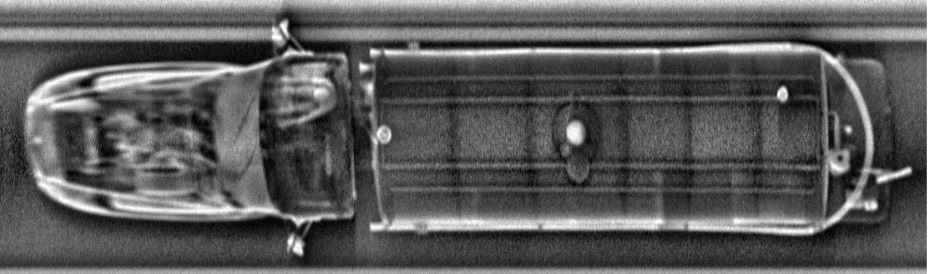
Backscatter Vehicle Scanner Efficiency Explained
Backscatter technology represents a major advancement in vehicle inspection systems by improving the detection of materials that are difficult to identify using conventional scanning methods.
This technology captures scattered radiation to produce detailed images, making it highly effective for detecting low-density materials such as explosives and narcotics.
Benefits of Backscatter Technology
Enhanced detection of organic materials
Improved image clarity for hidden threats
Lower radiation exposure in certain applications
Effective in complex concealment scenarios
The backscatter vehicle scanner efficiency makes it an ideal solution for high-risk environments where accurate detection is critical for maintaining security.
To explore technical advantages in detail, reviewing system capabilities can provide a better understanding of how backscatter technology improves inspection outcomes.
Cargo inspection plays a crucial role in modern security operations, especially in environments where large volumes of goods are processed daily across borders and logistics networks.
Cargo X-Ray Scanner Advantages in Modern Security
Cargo scanning systems are designed to detect concealed threats within shipments, helping security agencies prevent smuggling and ensure safe transportation of goods.
These systems provide deep penetration imaging that allows operators to identify hidden objects and irregular patterns within dense or mixed cargo materials.
Key Advantages
Non-intrusive inspection without unloading cargo
Faster clearance of shipments
Reduced reliance on manual checks
Improved detection accuracy
These cargo x ray scanner advantages make them essential for ports, logistics hubs, and customs operations across global supply chains. To learn more about cargo inspection capabilities, exploring detailed system features can help organizations improve both efficiency and security. Evaluating the return on investment is a critical step for organizations considering the implementation of advanced vehicle inspection systems in their operations.
ROI Analysis: Why Governments Invest in Vehicle X-Ray Scanners
Investing in a vehicle inspection system provides long-term benefits that extend beyond security, including improved efficiency, reduced operational costs, and enhanced compliance with regulations.
Organizations can achieve measurable returns by increasing throughput, reducing manpower requirements, and minimizing the risk of costly security incidents.
Key ROI Factors
Reduced staffing needs through automation
Faster processing leading to higher capacity
Lower risk of security breaches
Improved compliance and reporting
To understand ROI in real-world scenarios, reviewing implementation examples can provide valuable insights into long-term operational benefits. As security requirements continue to evolve, it is important to understand how these systems are applied across different industries and operational environments.
Use Cases Across High-Security Environments
Vehicle X-ray scanners are widely used across various sectors where security, efficiency, and risk management are critical for successful operations.
Common Applications
Border control checkpoints
Ports and cargo terminals
Military and defense facilities
Critical infrastructure locations
Urban security checkpoints
To explore industry-specific use cases, reviewing deployment scenarios can help organizations identify the best solutions for their needs. Selecting the right system requires careful evaluation of features, performance, and operational requirements to ensure long-term success and reliability.
Key Features to Look for in a Vehicle Inspection System
Choosing the right vehicle inspection system is essential for achieving reliable performance and meeting security objectives across different operational environments.
Essential Features
High-resolution imaging
Real-time analysis
AI-assisted detection
Scalable deployment
Additional Considerations
Integration with existing systems
Ease of use and training
System reliability
To review feature comparisons and system capabilities, exploring detailed specifications can help guide your decision-making process effectively. Technology continues to evolve, and future advancements will further enhance the capabilities of vehicle inspection systems across various industries.
Future of Vehicle X-Ray Scanning Technology
The future of vehicle inspection systems lies in integrating advanced technologies such as artificial intelligence and data analytics to improve detection accuracy and operational efficiency. These innovations will enable smarter systems capable of identifying threats with greater precision while supporting faster and more reliable decision-making processes.
Emerging Trends
AI-powered detection systems
Cloud-based integration
Remote monitoring capabilities
Enhanced imaging precision
To stay updated on future developments, exploring ongoing innovations can help organizations remain ahead in security infrastructure planning.
Conclusion
Vehicle X-ray scanners are transforming modern security operations by delivering faster inspections, improved threat detection, and enhanced efficiency across high-risk environments and critical infrastructure systems. By adopting advanced technologies such as backscatter imaging and intelligent detection systems, organizations can effectively balance security requirements with operational demands while reducing risks and improving performance.
Seethru AI offers advanced solutions designed to meet the needs of government agencies, border control authorities, and high-security facilities. To explore how these systems can enhance your operations and improve overall efficiency, contact us today and connect with our experts.
Frequently Asked Questions
What are the main benefits of a vehicle X ray scanner
Vehicle X ray scanners improve inspection speed, enhance threat detection, and reduce reliance on manual processes.
How does backscatter technology improve detection
It improves visibility of low-density materials, making it easier to detect hidden threats such as explosives and narcotics.
Where are vehicle inspection systems used
They are commonly used at borders, ports, military facilities, and critical infrastructure locations.
Can these systems detect concealed items
Yes, they can identify hidden compartments and unusual patterns within vehicles and cargo.
How do they improve throughput
They allow rapid scanning without unloading cargo, reducing delays, and improving operational flow.




Comments