


Radiation Safety in Vehicle X-Ray Inspection Systems

Updated: Nov 22, 2025

Seethru AI is a pioneer in advanced imaging and security inspection technology, offering intelligent Vehicle X-Ray Inspection Systems that combine artificial intelligence, automation, and rigorous safety standards. These systems are vital for modern security operations—used across borders, ports, and high-risk facilities—to detect concealed contraband, weapons, and illicit materials without manual intervention.
With cutting-edge solutions like the xvan Mobile X-Ray Vehicle Scanning System, Seethru AI provides high-resolution imaging, fast scan speeds, and robust shielding that minimize radiation exposure to operators and the public. The company’s commitment to X-Ray Safety ensures that its technology not only enhances security but also prioritizes human health and environmental protection.
Understanding Vehicle X-Ray Inspection Systems
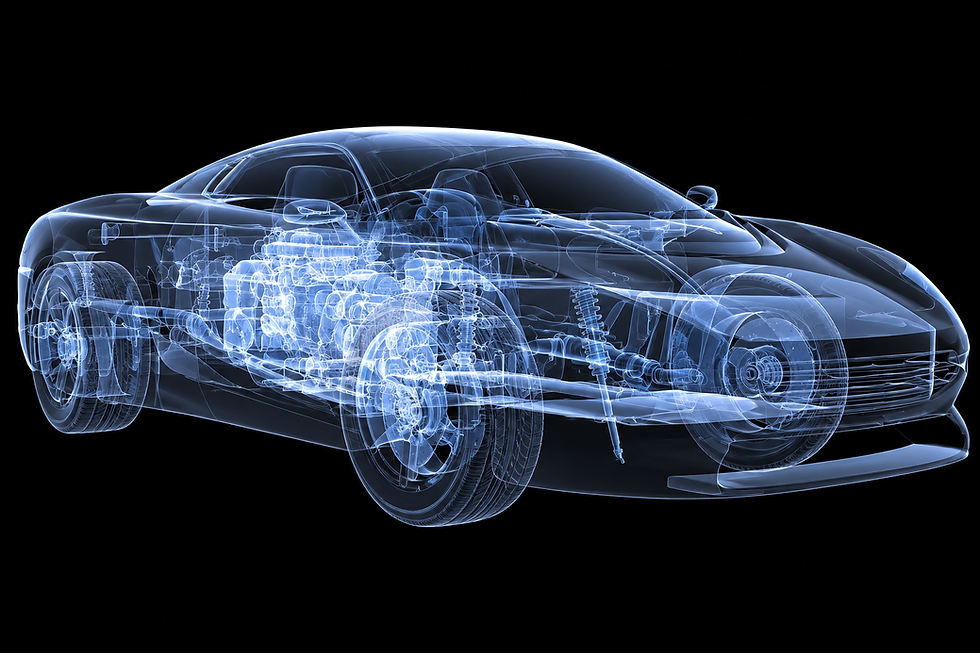
Vehicle X-Ray Inspection Systems are specialized imaging systems that use X-rays to visualize the internal structure of vehicles, enabling the detection of hidden objects, smuggled goods, or explosives. These systems are widely deployed at border crossings, customs inspection points, and critical infrastructure facilities.
A vehicle X-ray scanner typically consists of an X-ray generator and detectors, control console, shielding enclosure and x-ray beam optics. The scanning process involves passing a vehicle through a controlled beam that produces real-time digital images. Advanced algorithms then analyze these images to identify anomalies or threats automatically.
Seethru AI’s xvan exemplifies the next generation of mobile X-ray vehicle scanning systems, delivering precise results in remote or temporary security operations while ensuring radiation levels remain within safe limits.
Why Radiation Safety Is Critical
Radiation safety is a central concern in the design and operation of vehicle X-ray inspection systems. While X-rays are an essential tool for security imaging, uncontrolled exposure can pose health risks. Prolonged or repeated exposure to ionizing radiation can damage biological tissues, making safety protocols indispensable.
Manufacturers like Seethru AI integrate multiple safety mechanisms, including radiation shielding, controlled beam direction, and automatic shutoff systems, to prevent accidental exposure. Operators undergo safety training, and every system is tested to ensure compliance with international standards such as ANSI, IEC, and IAEA regulations.
The vehicle X-ray scanning system must balance detection performance with minimal radiation dose, ensuring both effective threat detection and radiation protection for the operators and public.
How Vehicle X-Ray Inspection Systems Maintain Radiation Safety
Modern vehicle X-ray scanners incorporate sophisticated safety designs to ensure safe and efficient operations. Below are some of the key safety components and procedures:
Safety Measure | Description | Purpose |
Lead Shielding | Encloses the X-ray source and scanning tunnel | Prevents radiation leakage |
Beam Collimation | Focuses X-rays precisely on the target vehicle | Reduces scatter radiation |
Safety Interlocks | Automatically disables X-rays if doors or barriers are open | Prevents accidental exposure |
Remote Operation | Operators control the system from a protected cabin | Minimizes proximity to radiation source |
Dosimeter Monitoring | Tracks operator radiation levels | Ensures ongoing safety compliance |
Regular Maintenance & Calibration | Routine system checks | Maintains consistent safety performance |
These protocols make systems like Seethru AI’s mobile X-ray vehicle scanning system exceptionally safe for field and stationary operations.
Radiation Dose Levels in Vehicle Scanning
The amount of radiation used in a vehicle X-ray inspection system is carefully controlled to stay far below harmful thresholds. For comparison:
The radiation dose from a single vehicle scan is less than 0.04 microsievert (µSv)—which is lower than what a person naturally receives from the sun in a few minutes of air travel.
Operators and bystanders remain outside the direct scanning zone, with physical barriers and distance reducing exposure even further.
Automated safety interlocks in systems like XVAN ensure X-rays are only active during controlled scans.
This combination of engineering, automation, and monitoring keeps exposure well within safe international limits.
Safety Standards and Compliance
Global safety organizations, including the International Atomic Energy Agency (IAEA), World Health Organization (WHO), and International Electrotechnical Commission (IEC), set strict standards for the design and use of vehicle X-ray scanners. These include limits on radiation emission, dose rate, and operational safety procedures.
Manufacturers must adhere to these regulations, conduct regular inspections, and maintain safety documentation. Systems like Seethru AI’s vehicle X-ray scanning systems are developed with compliance in mind, meeting or exceeding global safety benchmarks to ensure trust and reliability across all deployments.
Training and Safety Protocols for Operators
Even with advanced safety engineering, human training remains essential. Operators of vehicle X-ray inspection systems undergo certified radiation safety training that covers:
Understanding radiation principles and exposure limits.
Proper system setup and calibration procedures.
Recognizing warning signs and safety interlocks.
Responding to emergency or malfunction alerts.
Seethru AI ensures clients receive comprehensive onboarding and documentation when deploying solutions such as the mobile X-ray vehicle scanning system, maintaining both operational efficiency and safety awareness at every stage.

Radiation Shielding and Design in Seethru AI Systems
Seethru AI employs state-of-the-art shielding materials and innovative design principles to minimize radiation exposure. The systems feature precision-built high density shielding, along with beam modulation technologies that confine radiation strictly within the scanning area.
In mobile deployments, such as the X-Ray Vehicle Scanning System, the design includes reinforced shielding compartments and fully automated controls, ensuring the system can operate safely in remote locations. For detailed insights into its field performance, Seethru AI explains its operational workflow in this post: How Does the XVAN Mobile X-Ray Scanner Work in Remote Security Operations?.
These design features make Seethru AI’s solutions leaders in both imaging performance and radiation protection.
Environmental and Public Safety Considerations
Beyond operator protection, radiation safety also extends to public and environmental safety. Modern vehicle X-ray scanners are engineered to prevent any external radiation leakage, ensuring that the surrounding area remains completely safe during operation.
Seethru AI’s X-Ray Safety protocols also address environmental sustainability. The company employs energy-efficient components and optimized scanning algorithms to reduce power consumption and minimize environmental impact.
Advantages of Using Safe and Compliant Vehicle X-Ray Inspection Systems
Organizations deploying vehicle X-ray inspection systems with built-in radiation safety enjoy multiple benefits, including:
Enhanced Security: High-resolution imaging allows for rapid detection of concealed items without manual searches.
Operator Protection: Shielded designs and remote operation keep staff safe from exposure.
Regulatory Compliance: Meeting international standards simplifies approval and deployment.
Operational Efficiency: Faster vehicle throughput without compromising safety.
Public Confidence: Demonstrated adherence to safety protocols reassures communities.
These advantages underscore why systems like Seethru AI’s vehicle X-ray scanning system are trusted globally by defense, customs, and transportation agencies.
Continuous Improvement and Technological Advancements
As threats evolve, so do scanning technologies. Seethru AI continues to refine its vehicle X-ray inspection systems by integrating AI-based anomaly detection, image enhancement algorithms, and real-time data analytics.
The company’s ongoing research ensures radiation safety keeps pace with innovation—reducing dose requirements, improving imaging resolution, and enhancing operational automation. This focus on continuous improvement demonstrates Seethru AI’s dedication to both innovation and user safety.
Conclusion
Radiation safety is a fundamental pillar in the design and deployment of Vehicle X-Ray Inspection Systems. Through advanced shielding, precise engineering, and adherence to global safety standards, manufacturers like Seethru AI ensure their technology enhances global security without compromising health or environmental safety.
With systems such as the X-Ray Vehicle Scanning System, Seethru AI combines intelligent imaging, operational efficiency, and unmatched radiation protection—setting a benchmark for secure, sustainable, and responsible vehicle inspection worldwide.
Frequently Asked Questions (FAQ)
1. Are vehicle X-ray inspection systems safe for operators and the public?
Yes. Systems such as Seethru AI’s vehicle X-ray scanners are designed with multiple safety features, including shielding and automatic interlocks, to ensure radiation exposure remains well below international limits.
2. How much radiation is emitted during a typical vehicle scan?
A single scan delivers less than 0.04 µSv, which is far lower than everyday background radiation or a short airplane flight.
3. Do mobile X-ray vehicle scanning systems pose additional risks?
No. Mobile systems like the XVAN Mobile X-Ray Vehicle Scanning System are engineered with the same safety standards as stationary units, including reinforced shielding and controlled operation zones.
4. How does Seethru AI ensure compliance with radiation safety standards?
Seethru AI designs its systems to meet or exceed IAEA, ANSI, and IEC regulations, with rigorous internal testing, calibration, and operator training programs.
5. Where can I learn more about Seethru AI’s radiation safety approach?
You can explore detailed information on their X-Ray Safety page or reach out through the contact form for technical and compliance documentation.




Comments