


Top 10 Smuggling Techniques and How X-Ray Scanners Detect Them


Smuggling has evolved significantly over the years, adapting to technological advancements and increasingly strict border security measures across the globe. From concealed compartments in vehicles to sophisticated shielding techniques, smugglers continuously develop new methods to bypass detection systems and exploit vulnerabilities in inspection workflows.
At the same time, inspection technologies have also advanced rapidly, particularly in the field of X-ray scanning and intelligent threat detection. Modern scanning systems play a crucial role in border security, law enforcement operations, and protection of critical infrastructure environments where risk levels remain consistently high.
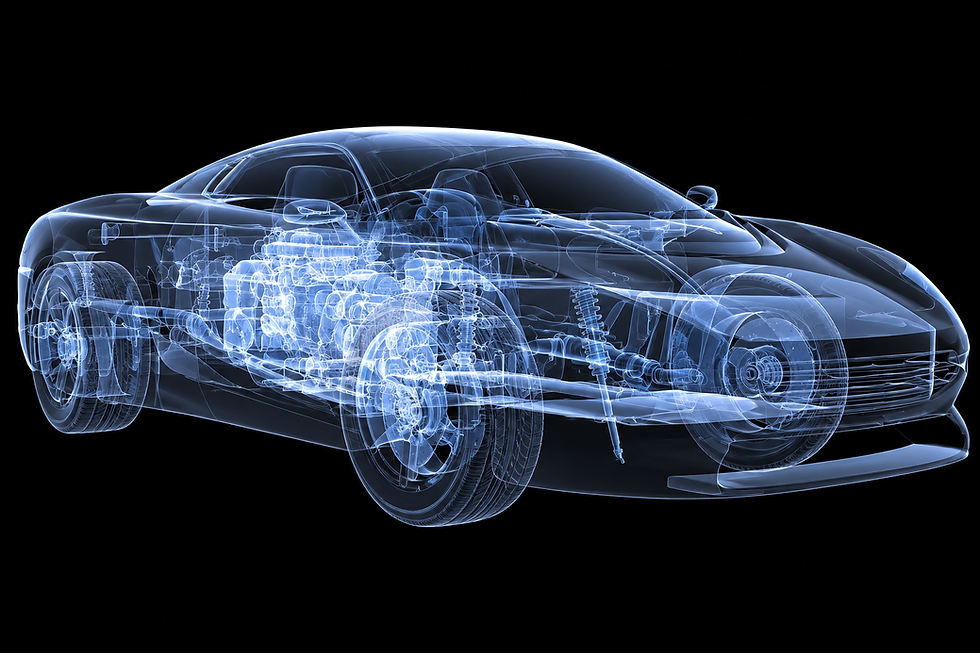
Solutions such as a vehicle x-ray scanner allow authorities to non-invasively inspect vehicles and cargo with high precision and minimal disruption to operations. These systems are designed to identify anomalies, hidden compartments, and suspicious materials that may otherwise go unnoticed during manual inspections.
This article explores the top 10 smuggling techniques used today and explains how X-ray scanners effectively detect them. It also highlights how advanced solutions from Seethru AI contribute to improving detection accuracy, operational efficiency, and decision-making in real-world security scenarios.
Understanding X-Ray Scanning in Security
What Is an X-Ray Inspection System?
A vehicle x ray inspection system uses high-energy radiation to penetrate objects and generate detailed images of their internal structure. These systems are widely used in security environments where non-intrusive inspection is essential for maintaining operational flow and minimizing delays.
The generated images reveal variations in density and composition, helping operators identify hidden items, irregularities, or materials that do not match expected patterns. This makes them especially valuable in detecting concealed contraband in vehicles and cargo shipments.
How X-Ray Scanners Work
X-ray scanners function by emitting radiation that passes through objects and is captured by detectors on the opposite side. Different materials absorb radiation differently depending on their density, atomic composition, and thickness, producing contrast in the resulting image.
Advanced systems process this data in real time, enabling operators to make quick decisions while maintaining high throughput at checkpoints. Integration with AI further enhances image clarity and anomaly detection.
Key advantages include:
Non-invasive inspection without physical dismantling
Rapid scanning capabilities for high-volume traffic
Detection of both organic and inorganic materials
Reduced need for manual searches and human intervention
Improved operational efficiency in high-risk environments
Modern vehicle x ray scanning system solutions integrate artificial intelligence to enhance detection accuracy, reduce human error, and provide consistent results across varying operational conditions.
Common Smuggling Methods vs Detection Capabilities
Smuggling Technique | Description | X-Ray Detection Capability |
Hidden compartments | Concealed spaces in vehicles | Detects structural anomalies |
Organic masking | Drugs hidden in food or organic material | Identifies density inconsistencies |
Shielding with metals | Use of lead or dense materials | Highlights abnormal absorption patterns |
Human body concealment | Internal or worn contraband | Specialized scanning required |
Cargo misdeclaration | False labeling of goods | Cross-verification via imaging |
Liquid concealment | Illegal substances in liquid form | Density and composition analysis |
Electronic device concealment | Items hidden inside electronics | Component-level image breakdown |
Layering technique | Multiple layers to confuse scanners | Multi-angle scanning reveals patterns |
Structural modification | Altered vehicle frameworks | Identifies irregular construction |
Thermal masking | Attempts to hide heat signatures | X-ray unaffected by temperature tricks |
This comparison highlights how modern scanning systems address a wide range of concealment strategies by leveraging imaging precision, density differentiation, and intelligent detection algorithms.
Top 10 Smuggling Techniques and Detection Methods
1. Hidden Compartments in Vehicles
Smugglers often modify vehicles to include concealed compartments within doors, dashboards, floors, or fuel tanks. These compartments are carefully engineered to blend seamlessly with the vehicle structure, making them difficult to detect through visual inspection alone.
How X-Ray Scanners Detect It
Reveal inconsistencies in structural design and layout
Highlight unusual density variations within panels
Identify unnatural voids or hidden spaces
Detect alterations in original manufacturing patterns
Advanced systems from Seethru AI enhance detection by using AI-driven image analysis to automatically flag suspicious regions for further inspection and review by operators.
2. Organic Masking
Illicit goods such as narcotics are often hidden within food products, agricultural goods, or other organic materials to evade detection systems that rely on basic scanning techniques.
Detection Approach
X-ray scanners differentiate between organic and inorganic materials
Variations in density expose hidden substances
AI systems detect anomalies in expected organic patterns
Multi-layer scanning improves detection accuracy
This makes a vehicle x-ray scanner particularly effective in agricultural checkpoints and border crossings where organic cargo is frequently transported.
3. Shielding with Dense Materials
Smugglers may use lead or other dense materials to block X-rays and conceal contraband from standard inspection systems.
Detection Approach
Dense shielding appears as unusually dark or opaque regions
Triggers alerts for further manual inspection
Advanced systems adjust energy levels dynamically
Surrounding inconsistencies help identify hidden items
Even when shielding is used, a vehicle x ray inspection system can detect irregularities around protected areas and highlight suspicious zones for closer analysis.
4. Concealment Inside Human Bodies
This method involves individuals carrying contraband internally or within multiple layers of clothing to avoid detection. It is often used in high-risk smuggling operations.
Detection Approach
Specialized scanning protocols identify foreign objects
Density differences reveal concealed items
Used in airports and high-security zones
Integrated systems support layered security checks
Although vehicle scanners are not used directly for body scanning, they are part of a broader security ecosystem that enhances overall inspection effectiveness.
5. Cargo Misdeclaration
Smugglers may falsely declare goods to avoid scrutiny, mislabeling high-risk items as harmless cargo to bypass inspection protocols.
Detection Approach
X-ray images reveal discrepancies between declared and actual contents
Automated systems flag inconsistencies in cargo structure
Cross-referencing with shipping manifests improves detection
AI assists in pattern recognition and anomaly detection
Organizations using solutions from Seethru AI benefit from improved verification processes and reduced reliance on manual inspections.

6. Liquid-Based Concealment
Illegal substances can be dissolved or stored in liquid containers to avoid detection by traditional screening methods.
Detection Approach
X-ray scanners analyze density and composition of liquids
Identify unusual properties or inconsistencies
Detect hidden compartments within containers
Advanced imaging separates liquid layers effectively
Modern scanning systems provide improved visibility into liquid contents, enabling more accurate identification of suspicious materials.
7. Concealment in Electronics
Smugglers often hide contraband inside electronic devices such as laptops, televisions, or batteries, leveraging complex internal structures to mask hidden items.
Detection Approach
X-ray imaging reveals internal circuitry in detail
Identifies foreign objects within devices
AI compares scanned images with standard device templates
Highlights irregular modifications or additions
A vehicle x ray scanning system can detect inconsistencies even in densely packed electronic assemblies.
8. Layering Technique
Multiple layers of materials are used to confuse scanners and obscure hidden items by creating overlapping density patterns.
Detection Approach
Multi-angle imaging reveals layered structures clearly
Density analysis separates overlapping materials
Advanced algorithms reconstruct clearer images
AI enhances interpretation of complex scans
This technique is increasingly ineffective against modern systems equipped with advanced imaging and analysis capabilities.
9. Structural Modifications
Entire sections of vehicles may be redesigned or altered to create hidden storage areas for smuggling purposes.
Detection Approach
Detects irregular construction patterns
Identifies deviations from standard designs
Highlights suspicious structural inconsistencies
Compares with known vehicle models
Solutions from Seethru AI are specifically designed to identify such anomalies quickly and accurately.
10. Thermal and Chemical Masking
Some smugglers attempt to evade detection by masking heat signatures or using chemicals to interfere with scanning systems.
Detection Approach
X-ray scanners remain unaffected by thermal masking
Chemical interference does not alter density imaging
Provides consistent results regardless of conditions
Ensures reliable detection in diverse environments
Role of Artificial Intelligence in X-Ray Detection
Modern inspection systems increasingly rely on artificial intelligence to improve detection accuracy and operational efficiency across different environments and use cases.
Key Benefits of AI Integration
Automated threat detection with minimal human input
Reduced operator fatigue and improved consistency
Faster decision-making in high-pressure situations
Improved accuracy in identifying anomalies
Continuous learning from new data patterns
Seethru AI integrates advanced machine learning algorithms into its solutions, enabling smarter inspections and more reliable outcomes.
Importance of Vehicle X-Ray Scanning in Border Security
Vehicle scanning plays a critical role in maintaining security across various sectors and operational environments, especially in high-risk areas where inspection accuracy is crucial.
Key applications include:
Border checkpoints and customs operations
Ports and shipping terminals handling cargo
Law enforcement and surveillance operations
Critical infrastructure and sensitive facilities
A vehicle x ray inspection system allows authorities to inspect vehicles efficiently without causing significant delays or disruptions.
Best Practices for Effective Smuggling Detection
To maximize the effectiveness of X-ray scanning systems and improve detection outcomes, organizations should adopt a structured and strategic approach.
Regularly calibrate and maintain equipment
Train operators in advanced image interpretation
Use AI-assisted detection tools for consistency
Implement multi-layered security frameworks
Continuously update detection protocols
Monitor emerging smuggling trends
These practices help improve detection rates while reducing operational risks and inefficiencies.
Why Advanced X-Ray Systems Matter
As smuggling techniques become more sophisticated, the need for advanced detection systems continues to grow across industries and security domains.
Technologies developed by Seethru AI focus on:
High-resolution imaging for better clarity
AI-powered analysis for improved detection
Real-time threat identification capabilities
Scalability across multiple environments
Integration with existing security systems
These capabilities ensure that organizations can effectively respond to evolving threats and maintain operational security standards.
Call to Action
If you are looking to strengthen your security infrastructure with advanced inspection solutions, it is essential to choose systems that combine accuracy, efficiency, and scalability.
To learn more about how Seethru AI solutions can support your operational needs, improve detection capabilities, and enhance overall security performance, contact us today.
Conclusion
Smuggling techniques continue to evolve, presenting ongoing challenges for security agencies and organizations worldwide. From hidden compartments to advanced masking strategies, these methods require equally sophisticated detection technologies to counter effectively.
Modern X-ray scanning systems, particularly those enhanced with artificial intelligence, provide a reliable and efficient solution for identifying concealed threats across various environments.
By leveraging tools such as a vehicle x-ray scanner, organizations can enhance security measures, improve operational efficiency, and reduce reliance on manual inspections.
Seethru AI remains at the forefront of innovation in this field, offering solutions that combine advanced technology with practical usability. Investing in modern detection systems is essential for maintaining secure and efficient operations in an increasingly complex threat landscape.
FAQs
1. How do X-ray scanners detect hidden compartments in vehicles?
They identify structural inconsistencies, density variations, and irregular patterns that indicate concealed spaces not present in standard vehicle designs.
2. Can X-ray scanners detect organic materials like drugs?
Yes, they differentiate between organic and inorganic materials using density analysis and advanced imaging techniques.
3. Are X-ray scanners effective against metal shielding?
Advanced systems can detect anomalies around shielded areas and adjust scanning parameters to identify hidden objects.
4. What role does AI play in X-ray scanning?
AI improves detection accuracy by identifying patterns, reducing human error, and enabling faster decision-making.
5. Where are vehicle X-ray scanners commonly used?
They are used in border security, ports, airports, law enforcement, and critical infrastructure facilities.




Comments